Source Customized Magnetic Golf Divot Tool for Gifts, Racing, and Entertainment
Find 30 customized magnetic golf divot tool options from Chinese manufacturers. Compare materials like brass, aluminum, and stainless steel, along with surface treatments and packaging. Source these business promotion gifts with custom logos and eco-friendly designs for various applications; compare the available evidence and request quotations based on your requirements.
Key considerations
Products List


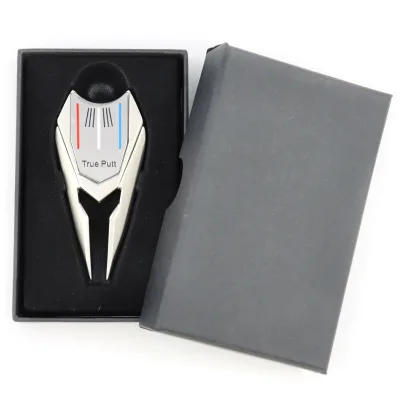


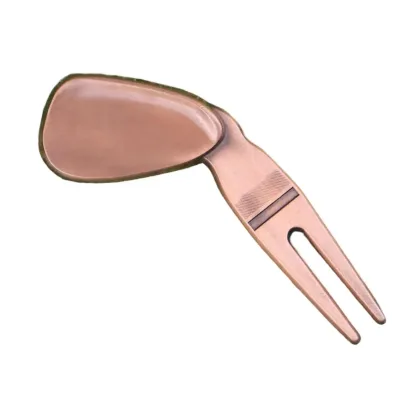

Comprehensive Sourcing Guide
Customized Magnetic Golf Divot Tool Sourcing Guide
Buyers evaluating this category must first distinguish between universal promotional items and specialized performance tools. The observed market data indicates a strong presence of brass and aluminum alloy options designed for business promotion and entertainment use. While some listings highlight a universal suitability, the specific application often leans toward golf course maintenance or event giveaways rather than professional tournament play. Procurement teams should verify if the magnetic feature is integrated into the design or if it serves as a secondary attachment for ball markers.
The customization landscape for these tools is extensive, with suppliers offering soft enamel, hard enamel, and printed logo options. This flexibility allows brands to align the product with specific corporate identities or event themes. However, the variation in materials, ranging from stainless steel to zinc alloy, requires careful selection based on the intended durability and weight requirements. Buyers must ensure that the chosen customization method does not compromise the structural integrity of the divot tool or the magnetic retention of the ball marker.
Product Scope and Observed Listing Signals
The current market signals reveal a diverse range of models, including specific identifiers like LJ041, T01, and GDT13, each with distinct packaging and dimensional profiles. Some products are packaged in simple OPP bags, while others utilize PE bags containing both the divot tool and a ball marker. The observed weight for certain aluminum alloy models is approximately 42 grams, with dimensions around 85 by 30 millimeters. These physical attributes are critical for determining the tactile feel and portability of the final product for the end user.
Procurement teams should note that while some listings specify a die-casting process, others rely on different manufacturing techniques for metal components. The presence of open designs and round or custom shapes suggests a high degree of adaptability for branding purposes. However, the variation in origin locations, such as Shenzhen and Xiamen, implies that logistics and shipping costs may fluctuate depending on the specific supplier selected. Buyers must cross-reference these physical specifications with their internal quality standards to ensure consistency across the order volume.
Technical Specifications to Verify
Technical verification begins with confirming the material composition, as listings cite brass, aluminum alloy, stainless steel, and zinc alloy. The choice of metal directly impacts the tool's resistance to corrosion and its ability to maintain a strong magnetic hold on the ball marker. Buyers should request material certificates to validate the alloy composition, ensuring that the product meets the durability expectations for outdoor golf environments. The surface treatment, often described as polished, also requires inspection to confirm that it provides a smooth finish without sharp edges that could damage turf.
Dimensional accuracy and packaging standards are equally critical for operational readiness. Specific models list standard sizes of 85 by 30 millimeters, but custom designs may deviate from these norms. It is essential to verify that the packaging, whether OPP or PE bags, protects the product during transit and aligns with the buyer's retail or promotional requirements. Additionally, the magnetic strength should be tested to ensure the ball marker remains securely attached during active use, preventing loss on the course.
Compliance and Safety Documentation
While the provided data does not explicitly list specific safety certifications, buyers must assume that compliance with international toy and gift safety standards is necessary for promotional items. Since these products are often distributed as gifts or used in entertainment settings, they must meet regulations regarding heavy metals and physical hazards. Procurement teams should request test reports confirming that the materials used, particularly the metal alloys and enamel finishes, are free from lead, cadmium, and other restricted substances.
Documentation regarding the manufacturing process and origin is also vital for supply chain transparency. The observed origins in China require verification of the supplier's ability to adhere to the buyer's country of import regulations. Buyers should ensure that the supplier can provide a Declaration of Conformity or similar documentation that validates the product's safety for general consumer use. Without these documents, there is a risk of customs delays or product recalls, especially if the items are marketed to children or distributed in regions with strict safety laws.
Cost Drivers and Commercial Terms
Cost structures for customized magnetic golf divot tools are heavily influenced by the chosen material and the complexity of the logo application. Brass and stainless steel options typically command higher prices than aluminum or zinc alloy alternatives due to raw material costs. Furthermore, the selection of the logo method, such as soft enamel versus hard enamel or printing, adds variable costs that scale with the order volume. Buyers must analyze the trade-off between material durability and the aesthetic finish required for their specific branding campaign.
Commercial terms regarding minimum order quantities and lead times are significant factors in the procurement strategy. Observed data indicates a standard MOQ of 100 pieces, with some suppliers requiring 100 pieces per color and style for custom orders. Lead times vary, with sample production taking approximately eight days and mass production ranging from 12 to 15 days. These timelines must be factored into the project schedule to ensure timely delivery, especially for time-sensitive promotional events or seasonal campaigns.
Supplier Qualification and Quality Control
Supplier qualification should focus on their ability to handle small trial orders and their experience with custom designs. Many suppliers in this category accept small trial orders, which is beneficial for testing product quality before committing to large-scale production. Buyers should verify the supplier's track record in delivering consistent quality across different metal types and customization methods. The ability to produce custom shapes and designs indicates a flexible manufacturing capability that can adapt to unique branding requirements.
Quality control protocols must be established to ensure that every unit meets the specified standards. Buyers should implement a pre-shipment inspection process that checks for surface defects, logo alignment, and magnetic strength. Given the variation in packaging methods, such as OPP bags or PE bags, the inspection should also verify that the packaging is secure and free from damage. Establishing a clear quality agreement with the supplier helps mitigate the risk of receiving substandard products that could damage the buyer's brand reputation.
Long-Term Procurement Checks
Long-term procurement success depends on maintaining consistent quality and supply chain reliability over multiple production cycles. Buyers should conduct periodic audits of the supplier's manufacturing processes to ensure that material sourcing and production methods remain unchanged. Consistency in the magnetic strength and surface finish is crucial for maintaining customer satisfaction and brand integrity. Regular communication with the supplier regarding any updates in material availability or production capabilities helps prevent unexpected disruptions.
Evaluating the supplier's responsiveness to feedback and their ability to scale production is also essential for long-term partnerships. As order volumes increase, the supplier must demonstrate the capacity to maintain lead times and quality standards without compromising on service. Buyers should establish a performance review system to track metrics such as defect rates, on-time delivery, and responsiveness to custom requests. This proactive approach ensures that the supply chain remains robust and capable of supporting future growth and evolving market demands.
FAQs
Can customized magnetic golf divot tools be produced with specific designs?
Yes, customization is available for these tools. Buyers can submit customer designs for production. The standard allows for custom shapes and patterns. Logos can be applied using soft enamel, hard enamel, or printing methods. This ensures the final product matches your brand identity and promotional needs.
What is the typical MOQ for these golf divot tools?
The standard MOQ is 100 pieces per color and style. Some suppliers accept small trial orders to facilitate initial testing. This low entry point allows buyers to verify quality and design accuracy before committing to larger bulk orders for their promotional campaigns or retail distribution channels.
How long does mass production take for these items?
Mass production typically requires 12 to 15 days after order confirmation. Sample preparation takes approximately 8 days. These timelines ensure quality control and precise manufacturing. Buyers should account for shipping time via FedEx, DHL, or UPS when planning their project schedules and delivery deadlines.
What materials are used for these divot tools?
Materials include brass, aluminum alloy, stainless steel, and zinc alloy. The surface treatment is usually polished for a premium finish. These durable metals ensure the tool withstands repeated use on golf courses. The choice of material affects weight and durability, allowing selection based on specific performance requirements.
Are these tools suitable for promotional gifts?
Yes, they are ideal for promotion gifts and business use. The eco-friendly nature and customizable logos make them attractive corporate gifts. They serve well in racing, entertainment, and general promotional contexts. The compact size and practical utility ensure high retention rates among recipients and brand visibility.
What packaging options are available for these products?
Packaging includes OPP bags and PE bags containing one divot tool and one ball marker. Specific dimensions like 10x4x2 cm are used for bulk packing. This secure packaging protects the polished metal surface during transit. It also facilitates easy distribution and retail display for promotional campaigns and direct sales.